On November 14, 2011, The Applied Research Center (ARC) [launched a campaign](https://archive.ph/a3XG7) to get [[The Associated Press]] to "Drop the I-Word."
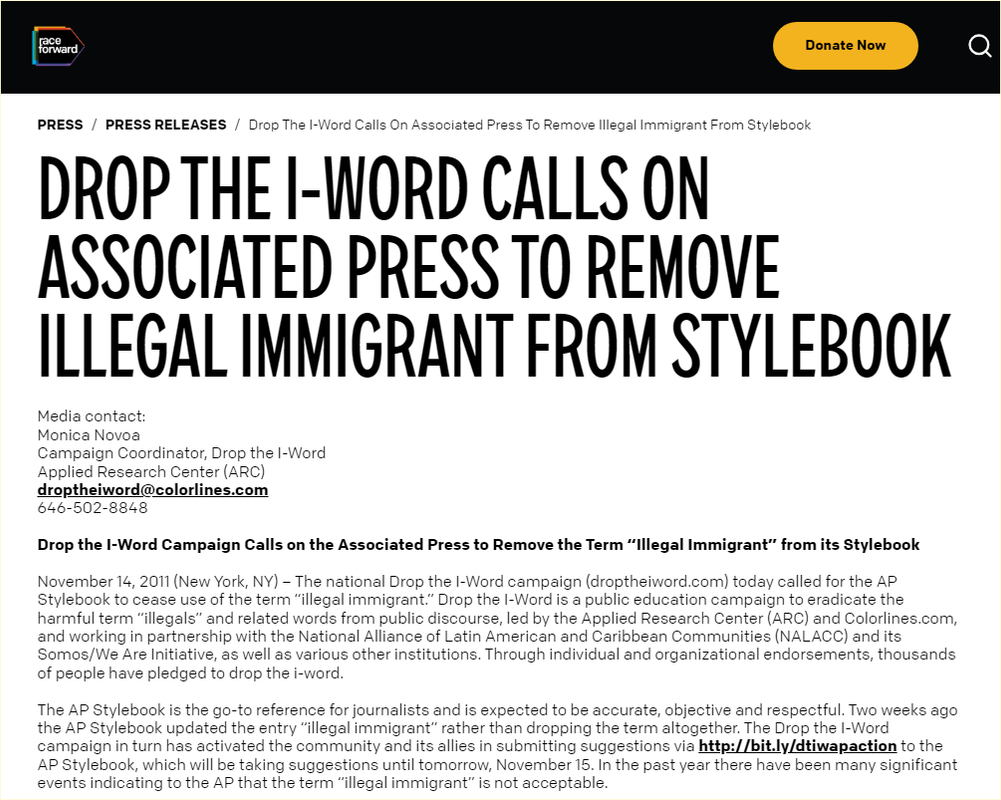
ARC is now known as Race Forward after a rebranding in 2013.
[Race Forward (Applied Research Center) - InfluenceWatch](https://www.influencewatch.org/non-profit/race-forward/)
[[The Associated Press]] reviewed requests to change their verbiage and even provided a [press release](https://web.archive.org/web/20121020093351/http://ap.org/Content/Press-Release/2012/Reviewing-the-use-of-illegal-immigrant) in October 2012 stating they had every intention of continuing to use the phrase:
> But what about the cases where we do write "illegal immigrants"? Why not say "undocumented immigrants" or "unauthorized immigrants," as some advocates would have it?
>
> To us, these terms obscure the essential fact that such people are here in violation of the law. It's simply a legal reality.
>
> Terms like "undocumented" and "unauthorized" can make a person's illegal presence in the country appear to be a matter of minor paperwork. Many illegal immigrants aren't "undocumented" at all; they may have a birth certificate and passport from their home country, plus a U.S. driver's license, Social Security card or school ID. What they lack is the fundamental right to be in the United States.
>
> Without that right, their presence is illegal. Some say the word is inaccurate, because depending on the situation, they may be violating only civil, not criminal law. But both are laws, and violating any law is an illegal act (we do not say "criminal immigrant").
>
> Finally, there's the concern that "illegal immigrant" offends a person's dignity by suggesting his very existence is illegal. We don't read the term this way. We refer routinely to illegal loggers, illegal miners, illegal vendors and so forth. Our language simply means that a person is logging, mining, selling, etc., in violation of the law -- just as illegal immigrants have immigrated in violation of the law. (Precisely to respect the dignity of people in this situation, the Stylebook warns against such terms as "illegal alien," "an illegal" or "illegals.")
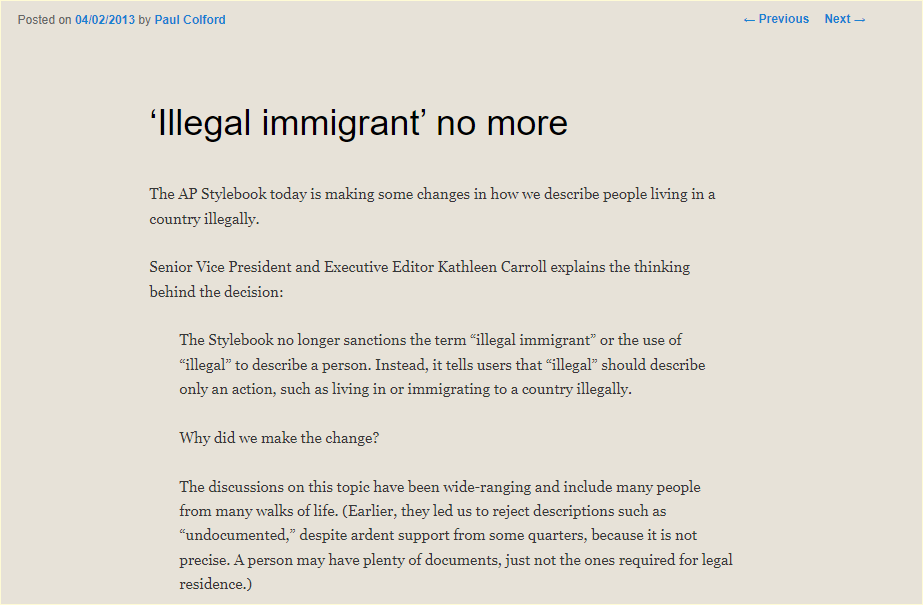
But, by April of the [next year](https://web.archive.org/web/20130822002138/http://blog.ap.org/2013/04/02/illegal-immigrant-no-more/) (2013) the AP would change their tune.
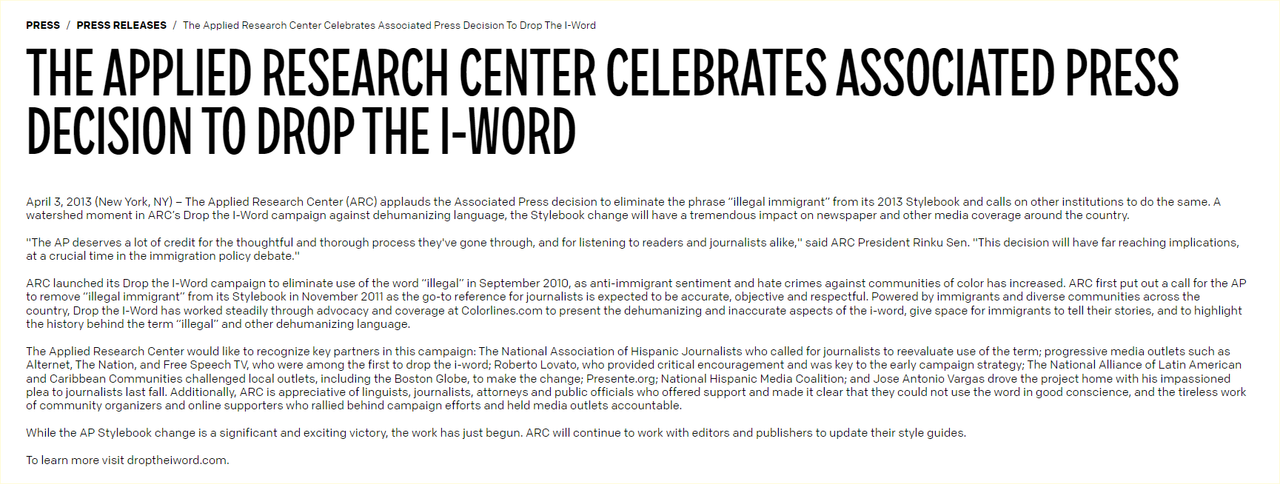
The Applied Research Center celebrated this change immediately on the [same day](https://www.raceforward.org/press/releases/applied-research-center-celebrates-associated-press-decision-drop-i-word).
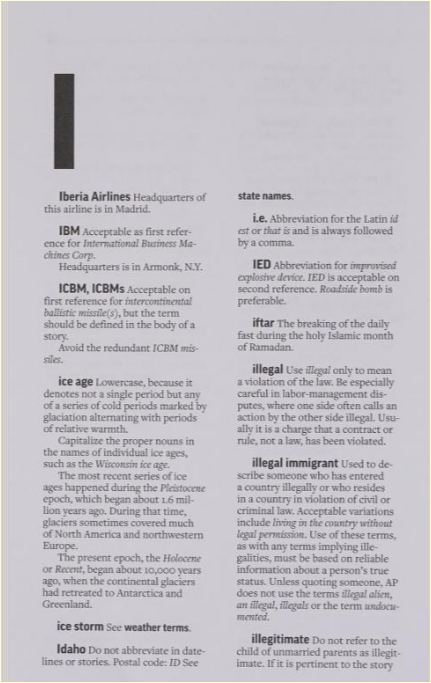
##### AP Stylebook 2012
[Associated Press Stylebook, 2012](https://archive.org/details/associatedpresss0000unse_y3m4/mode/2up)
##### AP Stylebook 2013
[Associated Press Stylebook, 2013](https://archive.org/details/associatedpresss0000unse_y4r2/mode/2up)
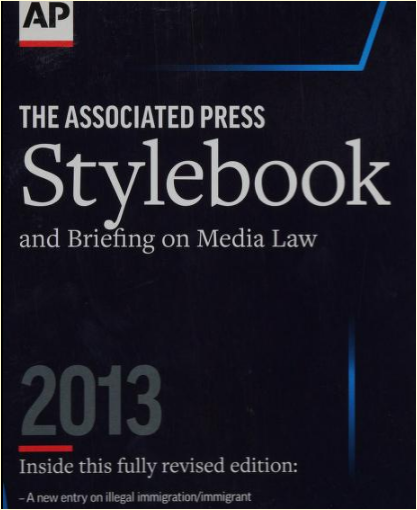
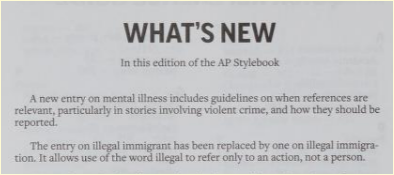
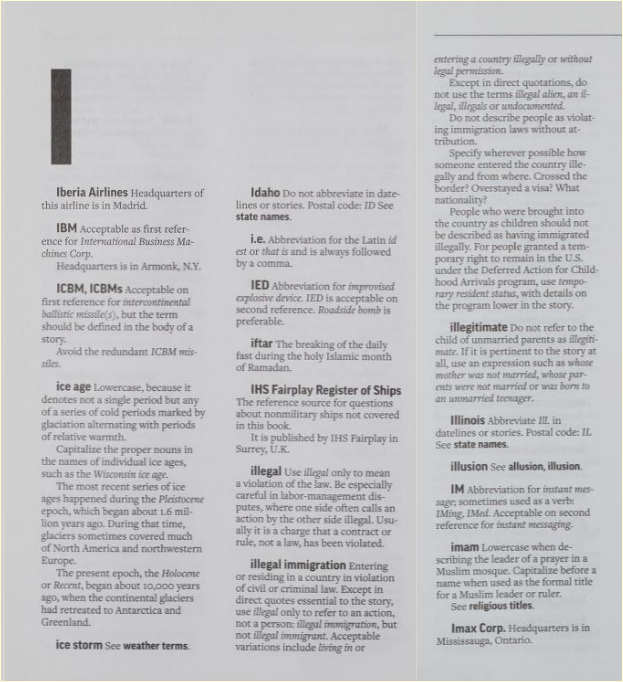
This matters because a vast majority of media organizations use the AP Stylebook as their go-to guide for how to reference people, organizations, and events.
On September 10, 2009, ARC/Race Forward put out a [video](https://www.youtube.com/watch?v=wRGwQTQndwg) narrated by a woman named Rinku Sen.
**"Illegal" Word is a Gateway to Racism and Exploitation**
<iframe title="Rinku Sen: "Illegal" Word is a Gateway to Racism and Exploitation" src="https://www.youtube.com/embed/wRGwQTQndwg?feature=oembed" height="113" width="200" style="aspect-ratio: 1.78041 / 1; width: 100%; height: 100%;" allowfullscreen="" allow="fullscreen"></iframe>
At the time, according to her LinkedIn, Rinku Sen was the Executive Director and Publisher at Race Forward and Colorlines.
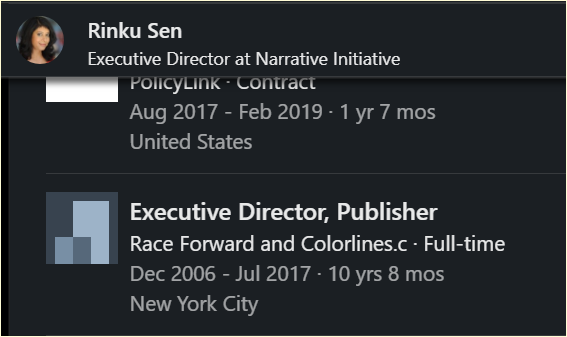
Race Forward, behind the media campain "Drop the I-Word" has an entire page on [Narrative Strategy](https://www.raceforward.org/projects-programs-%26-initiatives/narrative-strategy) that seeks to change narratives over long periods of time.
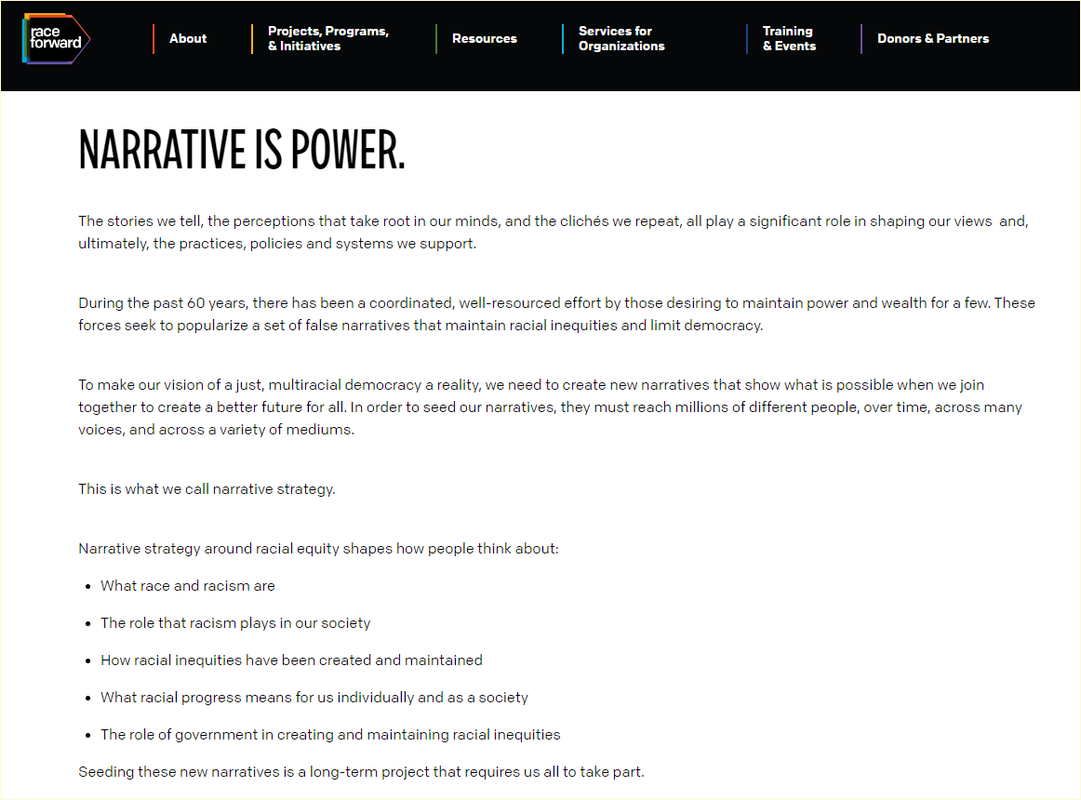
Rinku Sen created a monster there, and she is well-practiced. Her bio on LinkedIn reads:
> Rinku Sen is a widely read and respected theorist and practitioner of racial justice organizing, advocacy and media. She has a deep understanding of legal, organizing and communications theory as they play out in the political, economic and cultural landscapes. She is a strategist responsible for historic narrative victories on racial justice issues, including the Drop the I-word campaign that resulted in the Associated Press removing "illegal immigrant" from their style guide. She co-founded and served as publisher of the groundbreaking media outlet Colorlines, and is known for helping to build the independent media sector.
>
> She consults with a wide range of organizations including foundations, and serves on the boards of impactful social change organizations. Rinku is a devoted boardmember of Hedgebrook, the women's writing residency, the Ms Foundation for Women and [[Mother Jones]] magazine. Books - Stir It Up: Lessons in Community Organizing and Advocacy, The Accidental American
She has been the Executive Director of Narrative Initiative [since December 2020](https://narrativeinitiative.org/blog/rinku-sen-named-executive-director-narrative-initiative/).
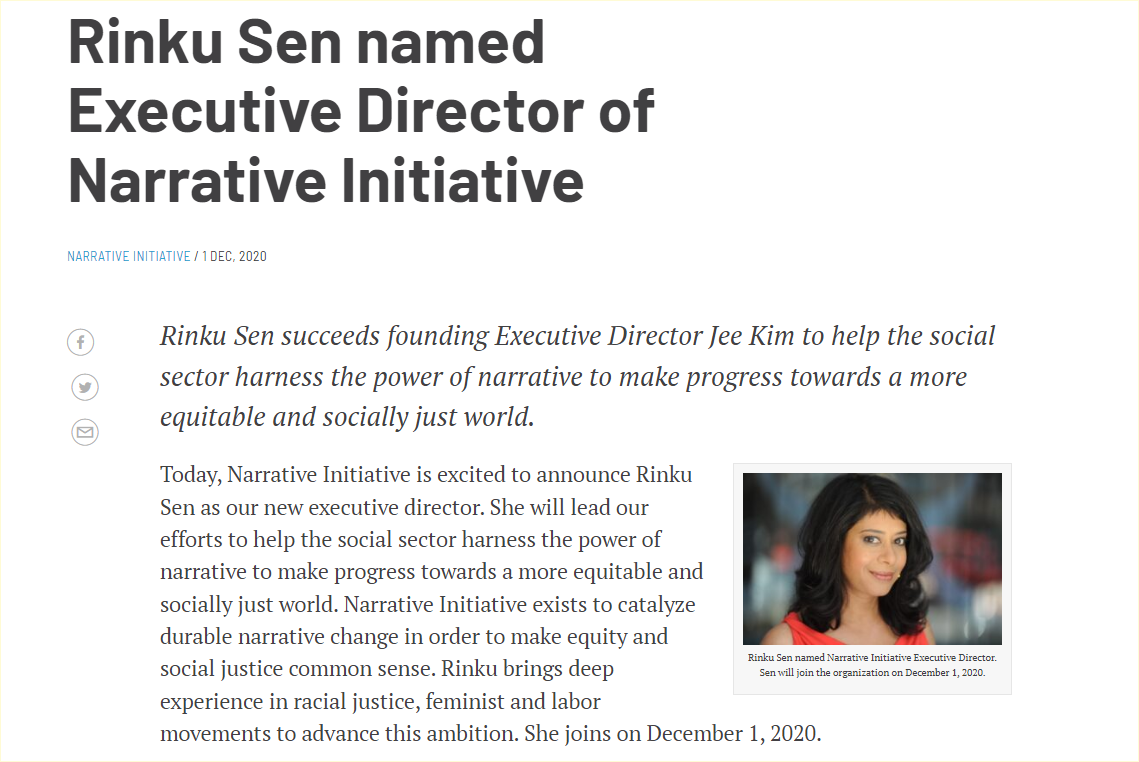
#### Narrative Intiative Deeper Dive
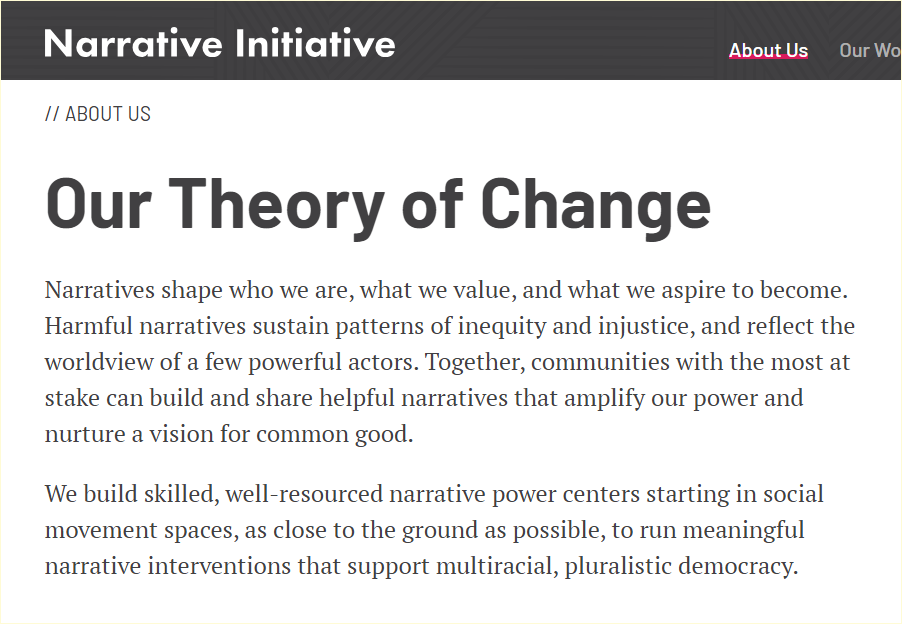
[About Us - Narrative Initiative](https://narrativeinitiative.org/about-us/)
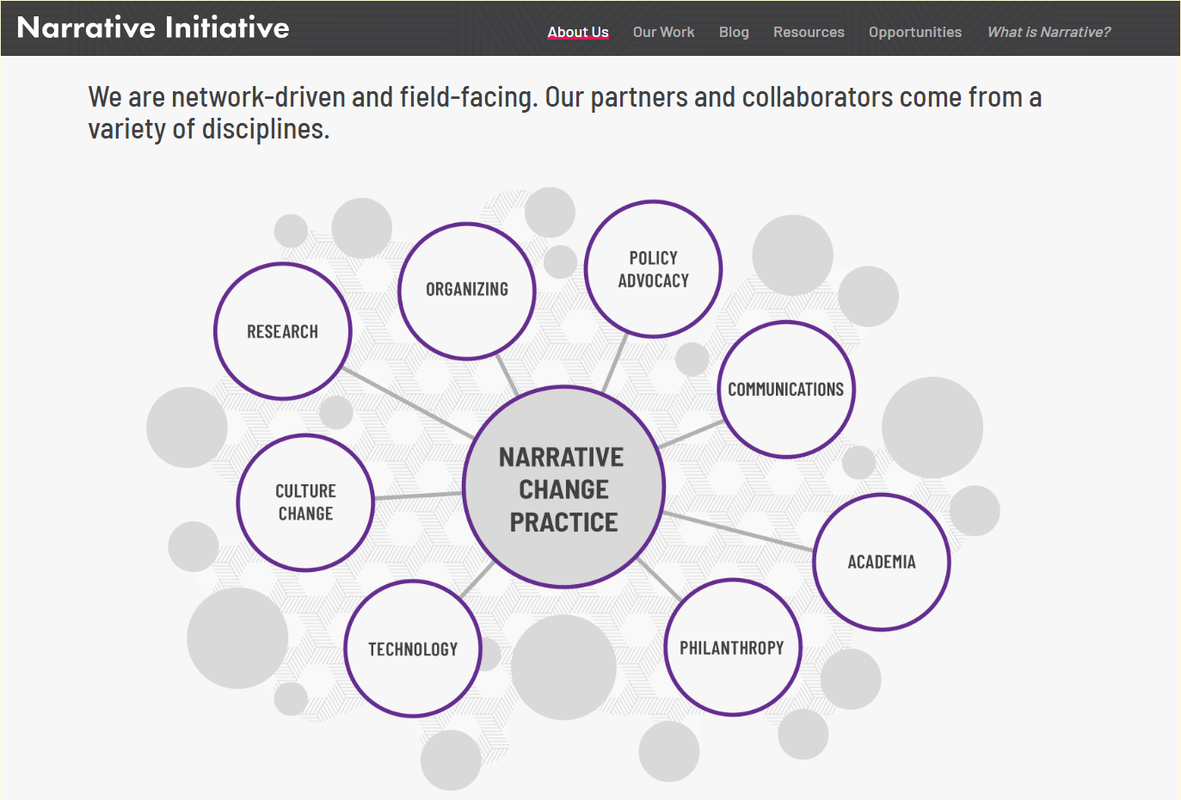
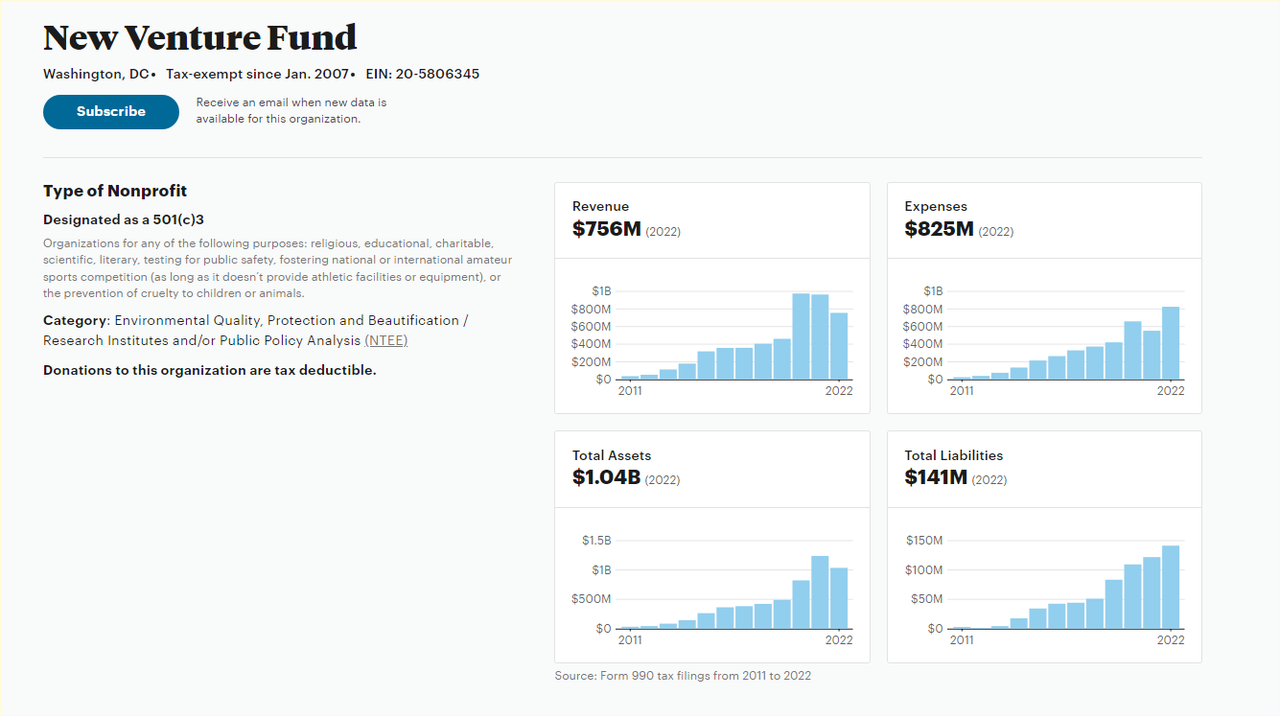
> Narrative Initiative is a project of the New Venture Fund, a 501(c)(3) public charity that incubates new and innovative public interest projects and grant-making programs.
New Venture Fund is a 501(c)(3) with [$1B in assets](https://projects.propublica.org/nonprofits/organizations/205806345).
[Our Work - Narrative Initiative](https://narrativeinitiative.org/our-work/)
[What is Narrative? - Narrative Initiative](https://narrativeinitiative.org/what-is-narrative/)
[Narrative Change: A Working Definition (and Some Related Terms) - Narrative Initiative](https://narrativeinitiative.org/blog/narrative-change-a-working-definition-and-related-terms/)
---
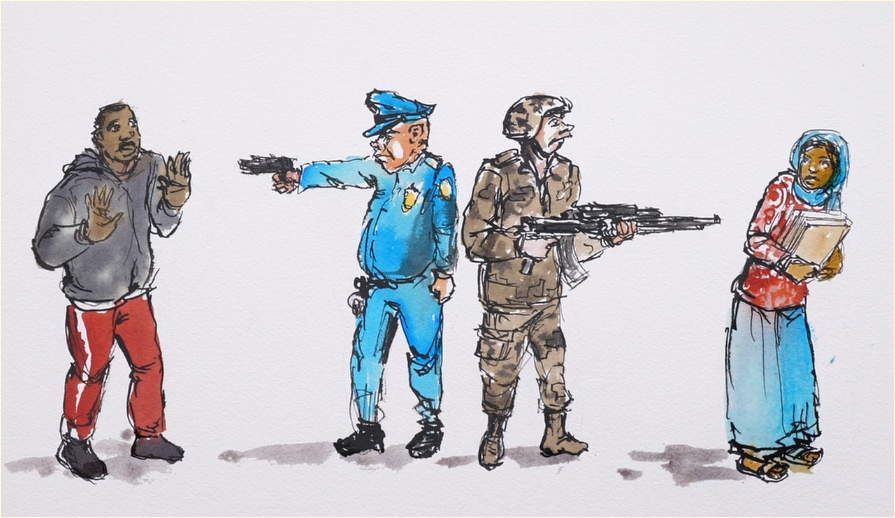
[Principles for Reframing the National Security Narrative](https://narrativeinitiative.org/resource/principles-for-reframing-the-national-security-narrative/)
> Our public discourse is seeded with ideas about security that are so deeply embedded we may often be unaware that we are invoking or reinforcing them in our own narration. These principles have been drafted with a view to shine a critical light on those deeply embedded ideas, and equip audiences to envision a different reality, organized around the health and thriving of our human communities and natural world. In particular, we hope to call out and eradicate narratives that sow human division and weaponize fear.
[Video](https://app.frame.io/reviews/808f13e1-69e8-4c52-829e-8b50218824fc/a1764535-32f0-46e1-be90-d91cd06c52f1)
[PDF](https://narrativeinitiative.org/wp-content/uploads/2022/11/Principles_Edited_v4.pdf)
Produced by: RINKU SEN; NATALIE KABASAKALIAN
<div style="left: 0; width: 100%; height: 0; position: relative; padding-bottom: 60%;"><iframe src="https://docs.google.com/viewer?embedded=true&url=https://narrativeinitiative.org/wp-content/uploads/2022/11/Principles_Edited_v4.pdf" style="top: 0; left: 0; width: 100%; height: 100%; position: absolute; border: 0;" allowfullscreen></iframe></div>
---
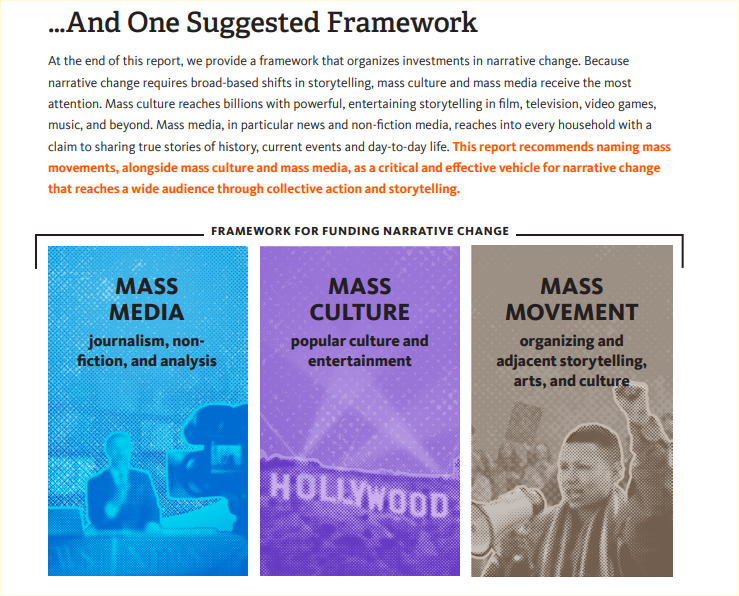
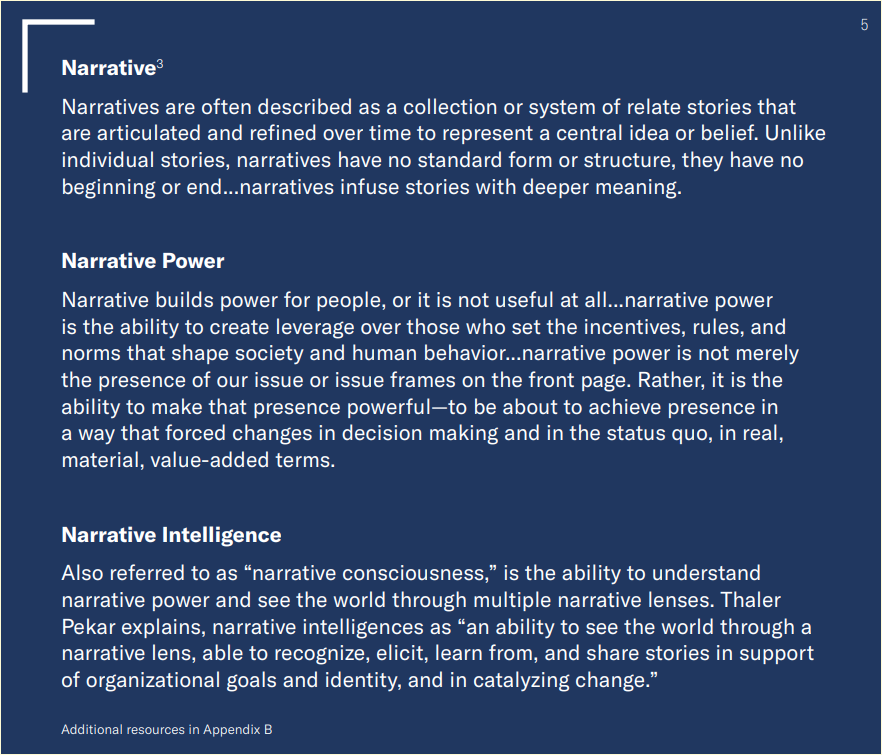
[PDF Link](https://convergencepartnership.org/wp-content/uploads/2021/09/Funding-Narrative-Change_v4.pdf)
<div style="left: 0; width: 100%; height: 0; position: relative; padding-bottom: 60%;"><iframe src="https://docs.google.com/viewer?embedded=true&url=https://convergencepartnership.org/wp-content/uploads/2021/09/Funding-Narrative-Change_v4.pdf" style="top: 0; left: 0; width: 100%; height: 100%; position: absolute; border: 0;" allowfullscreen></iframe></div>
---
[PDF Link](https://www.opensocietyfoundations.org/uploads/8177cc25-e5be-477c-b369-d454468e24f2/building-narrative-power-for-racial-justice-and-healthy-equity-20190812.pdf)
<div style="left: 0; width: 100%; height: 0; position: relative; padding-bottom: 60%;"><iframe src="https://docs.google.com/viewer?embedded=true&url=https://www.opensocietyfoundations.org/uploads/8177cc25-e5be-477c-b369-d454468e24f2/building-narrative-power-for-racial-justice-and-healthy-equity-20190812.pdf" style="top: 0; left: 0; width: 100%; height: 100%; position: absolute; border: 0;" allowfullscreen></iframe></div>
> **Public Narrative**
>
> Public narrative is a form of social reproduction in all societies, invisibly woven into the fabric of everyday life. These shared systems of meaning, mostly taken for granted and unremarked, exist as themes or stories in our consciousness. They give coherence to group experience, particularly how the world works. Expressed in legal codes, the arts, mass media, and corporate discourse, core narratives provide the necessary mental models, patterns, and beliefs to make sense of the world and explore our place within it.
%%Footer Starts Here%%
---
<center><img src="https://archive.is/do5ay/df25cfff93575f174c387ac9f4c64744da0fadb9.png" alt="Keep digging!" height="100px"></center>
---
### Tags
#AmericanJournal
### Linked Pages & Footnotes